Hair Loss After Illness or Fever: Normal Shed or Time to Refer? A Chair Guide for Stylists
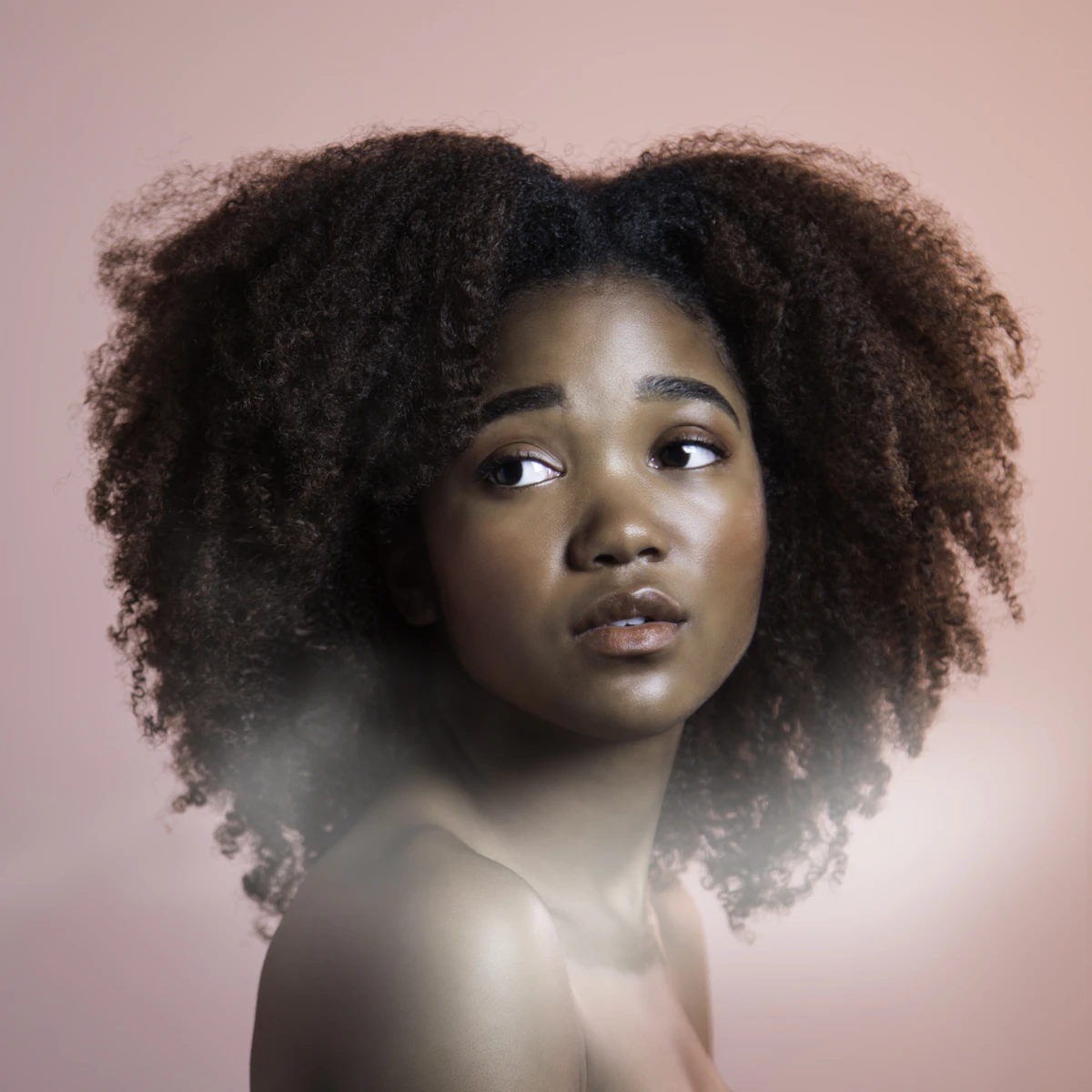
A regular client sits down for a cut and blow-dry in late November. As you section her hair she says, a little anxiously: "I have to warn you, it is coming out in handfuls. The plughole is full every time I wash it. I had that awful flu in August, the one with the really high temperature, but I have been fine for weeks now. Why is it falling out now?" You look down and there is more hair on the cape than usual, but no patches, no redness, nothing obvious on the scalp.
That is one of the most common conversations in a salon, and it is the question behind this guide. When a client starts shedding heavily a couple of months after an illness, a fever, an operation or a stay in hospital, is it the normal delayed shed that usually settles by itself, is it pattern thinning that the illness has simply made more noticeable, or is it something that needs a doctor? And what should a stylist actually say and do in the next ten minutes?
This guide is written for UK stylists, colourists, barbers, extension specialists and salon owners. It draws on The Trichology Academy's public telogen effluvium condition page, the British Association of Dermatologists (BAD) patient leaflet on telogen effluvium (October 2025) and the NHS hair loss page. It explains why hair often falls out months after the illness has passed, what that usually looks like at the chair, how it compares with other common causes of thinning, what to say, how to adapt services, and when to refer. You will not be diagnosing anyone. The aim is to recognise the pattern, reassure honestly, adapt the service and point the client to the right professional when something does not fit.
Short answer: heavy, all-over shedding that starts around two to four months after a high fever, a significant illness, surgery or another major physical stress is very often telogen effluvium. The BAD describes it as more hair than usual falling out because illness, stress or major changes in the body disrupt the hair cycle, and says it usually gets completely better without treatment, although it can take many months for volume to return. A stylist cannot confirm the cause. Reassure calmly, keep services gentle, and suggest a GP review if shedding lasts beyond about six months, keeps coming back, comes with patches, scalp symptoms or feeling unwell, or if the client is worried. Patches, scarring signs or a widening parting point to something different.
Why post-illness shedding is so confusing for clients
The hardest part for clients is the delay. They expect hair loss to happen while they are ill, not weeks after they feel better. By the time the shedding starts, many have forgotten the illness altogether, or do not connect it with what they see in the shower. They may blame a new shampoo, their last colour, the water, the time of year or the stylist.
The BAD leaflet explains that the increase in shedding in telogen effluvium can occur around three months after a trigger. The Academy's telogen effluvium page lists febrile illness, blood loss and post-operative responses among the causes, alongside postpartum shedding, endocrine disorders, drugs and medication, and metabolic and nutritional disorders: https://trichologyacademy.co.uk/education/conditions/telogen-effluvium.
This is exactly where a stylist is useful. You often see the client more often than their GP does, you handle the hair with your hands, and you ask about recent events as part of a normal conversation. A simple question such as "Have you been unwell, had an operation or been through anything big in the last few months?" can connect the dots for a client who is frightened. That connection, made calmly and honestly, is often the most reassuring thing they hear all week.
It also matters for the salon. A client who believes their colour or their stylist caused the shedding may quietly leave. A client who understands what is happening, and feels you noticed and cared, tends to stay, follow your aftercare advice and come back when the hair recovers.
How the delayed shed works, in plain English
You do not need to be a trichologist to explain this. A short, accurate explanation of the hair cycle gives clients a reason for the timing and helps them stop searching for something to blame.
The normal cycle
The BAD leaflet says most people lose between 30 and 150 scalp hairs a day, and that this is completely normal. The NHS hair loss page gives a similar range of 50 to 100 a day, often without noticing. At any time, around 85 per cent of scalp follicles are actively growing (the anagen phase) and around 15 per cent are resting before they shed (the telogen phase).
According to the BAD, when a follicle enters the shedding phase it stops growing and rests for two to four months, then a new hair begins to grow and pushes the old hair out. That built-in pause is the reason for the delay.
What an illness or fever does
A significant physical stress, such as a high fever, a serious infection, an operation, blood loss or a hospital stay, can push a larger share of growing hairs into the resting phase at the same time. The BAD describes the resting share rising from around 15 per cent to 30 per cent or more in telogen effluvium. Those hairs sit quietly in the follicle for a few months, then shed together as new hairs start to grow underneath.
So the hair your client sees in the plughole in November may have stopped growing back in August when she was ill. The shed is a sign of a stress that has already happened, not proof that something is going wrong now. As the Academy page puts it, telogen effluvium is a clinical sign that signals an underlying condition rather than a disease in itself.
Why it can look worse than it is
Shed hairs in telogen effluvium are usually lost from all over the scalp, so clients notice a general loss of thickness and volume rather than a patch. Long hair makes the amount on the brush or in the drain look dramatic, even when the overall density change is modest. The BAD notes that it is very unusual for telogen effluvium to cause thinning severe enough to need a wig.
A useful line for clients: "The hairs falling out now probably stopped growing a few months ago, around the time you were poorly. Underneath, new hairs are usually already on their way. It is upsetting, but it is a very common pattern after being ill, and it usually settles."
A typical timeline after illness or fever
Every client is different, and the BAD notes that for around one in three people with telogen effluvium no cause can be found. As a general guide only, based on the timings in the BAD leaflet, this is the pattern clients often describe after a clear trigger:
- Weeks 0 to 6: the illness, fever, operation or hospital stay. Hair usually looks normal during this period, and most clients notice nothing.
- Around months 2 to 4: shedding increases, often suddenly. Clients notice more hair after washing and brushing, in the drain, on the pillow and around the house.
- Months 3 to 6: the shedding phase continues. The BAD says the shedding phase lasts between three and six months, after which new hair starts to grow.
- From around months 4 to 9: short new hairs become visible, especially along the hairline and parting, often standing up like a fringe of baby hairs.
- Many months later: volume and length gradually return. The BAD says it may take many months for hair to return to normal volume and thickness.
- Beyond 6 months of continued shedding: the BAD describes telogen effluvium as chronic if it lasts more than six months. That is a sensible point to suggest a GP review if the client has not had one.
Short regrowth hairs are worth pointing out gently. Many clients have not noticed them, and seeing them is often more reassuring than anything you can say.
Common triggers worth asking about
When a client mentions sudden shedding, a relaxed question about the last three to six months often surfaces the likely trigger. The BAD and the Academy list these among the common triggers:
- Severe illness or infection, especially with a high fever (for example a bad bout of flu or another infection with a high temperature)
- Surgery or a general anaesthetic, and recovery from an operation
- Significant blood loss
- Childbirth (postpartum shedding, which follows the same delayed pattern; see our postpartum timeline guide: https://trichologyacademy.co.uk/blog/postpartum-shedding-timeline-stylists)
- Stressful or major life events
- Marked weight loss and extreme dieting, including after a long illness with poor appetite
- Starting new medication, or stopping a hormone treatment such as the contraceptive pill
- Severe skin problems affecting the scalp
- Thyroid conditions and iron deficiency, which the BAD says a doctor may check with a blood test to exclude other causes
You are not taking a medical history. You are making conversation that helps the client see a possible link, and noting anything that suggests they would benefit from seeing a GP. Keep the tone light and never press for details of an illness the client does not want to discuss.
Comparison table: post-illness shedding vs other causes of thinning
Post-illness shedding is not the only reason a client may say their hair is falling out. The table below summarises how it usually differs from three other presentations stylists meet often, based on the Academy condition pages, the BAD leaflet and the NHS page. It is a guide to what to notice and how to respond, not a diagnostic tool. Conditions can overlap: the BAD notes that pattern hair loss can appear around the same time as telogen effluvium, and that a shed can sometimes lead to an earlier diagnosis of pattern hair loss.
Read each row as: condition / onset / where it shows / what you see at the chair / scalp symptoms / typical history / salon action / when to refer.
- Post-illness telogen effluvium / Onset: Sudden, often around 2 to 4 months after the trigger / Where it shows: All over the scalp / At the chair: More hair on the cape and brush, general loss of volume, no patches, short regrowth later / Scalp symptoms: Usually none; occasionally tenderness or altered sensation (trichodynia) / Typical history: Fever, illness, operation, blood loss or major stress a few months earlier / Salon action: Reassure, gentle services, record and review / Refer: GP if it lasts over 6 months, recurs, or the client is unwell or worried
- Female pattern hair loss / Onset: Gradual, over years / Where it shows: Mid-frontal scalp and parting / At the chair: Wider parting, finer shorter hairs, reduced volume on top / Scalp symptoms: Usually none / Typical history: Slow change, often family history / Salon action: Gentle styling, trichology assessment / Refer: Routine, worth starting; GP if bloods may help
- Alopecia areata / Onset: Can be sudden / Where it shows: Round or oval patches, sometimes beard or brows / At the chair: Smooth bald patches, sometimes short broken hairs at the edge / Scalp symptoms: Usually none, sometimes tingling / Typical history: Any age, may recur / Salon action: Stop and note, be discreet / Refer: GP promptly for new patches
- Inflammatory scalp conditions (for example seborrhoeic dermatitis) / Onset: Variable / Where it shows: Areas of scale or redness / At the chair: Flaking, greasy or dry scale, redness, sometimes shedding / Scalp symptoms: Itch, soreness, flaking / Typical history: Flares, often in winter or with stress / Salon action: Avoid harsh chemicals on inflamed skin / Refer: GP or pharmacist; prompt if sore, weeping or spreading
The key distinction for a stylist is pattern. Post-illness shedding is diffuse and usually comes with a clear story and an otherwise normal-looking scalp. Patches, a widening parting, redness, scale, soreness or a change at the hairline itself all point somewhere else. For a deeper look at shedding versus pattern loss, see our chair differential: https://trichologyacademy.co.uk/blog/telogen-effluvium-vs-androgenetic-alopecia, and for patches and scarring signs: https://trichologyacademy.co.uk/blog/patchy-hair-loss-red-flags-when-to-refer.
A five-step chair check you can do in two minutes
You do not need special equipment. This is careful observation during a normal service, not an examination. Tell the client what you are doing and ask before you look closely.
Step 1: Ask about timing
Ask when the shedding started and whether anything significant happened in the months before: an illness with a high temperature, an operation, a new medication, a baby, a big life event or rapid weight loss. A clear trigger roughly two to four months before the shed fits the delayed pattern. No obvious trigger does not rule it out, as the BAD says no cause is found in around one in three people.
Step 2: Look at the overall distribution
Look at the parting, crown, temples and nape under good light. Note whether the thinning is general or concentrated in one place. All-over loss of volume fits telogen effluvium. A noticeably wider central parting suggests pattern thinning may also be present. Any smooth, defined patch is a different picture and should be noted and referred.
Step 3: Look at the scalp skin
In post-illness shedding the scalp usually looks normal. Note any redness, scale, pustules, scabs, broken hairs, or shiny, smooth skin. Scalp changes do not fit a simple shed and are a reason to suggest the client sees a GP or pharmacist, depending on what you see.
Step 4: Look for regrowth
Check along the front hairline and the parting for short, fine new hairs of similar length. Their presence suggests the cycle is restarting. Point them out to the client if you see them. If the shedding has gone on for months and you see no regrowth at all, that is worth recording and mentioning.
Step 5: Note what you saw
Write a short, factual note on the client record: the date, what the client reported, the trigger they mentioned, what you observed and what you advised. Avoid diagnostic labels on the card. Describe, do not diagnose: "Client reports heavy shedding since October after fever in August. Diffuse, no patches, scalp looks calm, short regrowth at hairline. Advised gentle care, GP if it continues past six months." This record is what lets you compare at the next visit.
Do not do a pull test as a diagnostic exercise in the salon. The BAD describes the hair pull test as something a clinician may carry out, and notes that washing within 48 hours beforehand can give a false result. Your role is to notice and describe, not to test.
Red flags: when post-illness shedding needs a GP sooner
Most post-illness shedding settles by itself. These signs suggest the picture may not be a simple shed, and that a GP review is worth suggesting sooner rather than later:
- Shedding that has carried on for more than about six months, or keeps coming back
- Patches of hair loss, broken hairs or loss of eyebrows or eyelashes
- Redness, scale, pain, soreness, pustules, weeping or scarring on the scalp
- A change concentrated at the front hairline, especially with a smooth pale band of skin (see our hairline guide: https://trichologyacademy.co.uk/blog/receding-hairline-women-frontal-fibrosing-alopecia-traction-pattern-loss)
- The client feels unwell, very tired, cold, breathless or has lost weight without trying
- Very heavy periods, a restricted diet or other reasons to wonder about iron levels
- Shedding that started soon after a new medication (the client should not stop any medicine without speaking to their prescriber)
- No clear trigger and the client is distressed or the shedding is severe
- The client is a child, or the client is simply worried and would like reassurance from a doctor
The BAD says a doctor may arrange a blood test to exclude other causes such as thyroid conditions and iron deficiency, and that telogen effluvium can recur if an underlying cause such as iron deficiency is not treated. The NHS advises seeing a GP if you are worried about hair loss, and getting an idea of the cause from a GP before going to a commercial hair clinic. Those are honest, helpful points to pass on.
What to say at the chair
Clients who are shedding are often frightened and sometimes embarrassed. They may have read alarming things online. The best response is calm, kind and honest: acknowledge what they see, offer a likely explanation without promising it, and point to the right next step.
When the story fits a delayed shed
"I can see there is more hair coming out than usual, and I know how worrying that is. What you are describing, with a high temperature a few months ago and shedding starting now, is a really common pattern. Hair often sheds two or three months after being poorly, because those hairs stopped growing at the time. Your scalp looks calm and I can see some short new hairs coming through here. It usually settles, but if it is still heavy in a few months, or you are worried, it is worth seeing your GP."
When something does not fit
"Most of what you are describing sounds like the kind of shedding we see after being unwell, but I have also noticed a small area here that looks a bit different. I am not able to say what it is, and it may be nothing, but I would feel happier if you showed it to your GP or a trichologist so they can have a proper look. Would you like me to note it so we can compare next time?"
When the client blames the colour or a product
"I completely understand why you would wonder that. Colour can affect the condition of the lengths, but shedding from the root, all over, a few months after being ill is much more typical of the body's response to the illness. Let us keep things gentle for now so we are not adding any extra stress, and see how it looks at your next visit."
Phrases to avoid
- Naming a diagnosis: "You have telogen effluvium" (you can say it sounds like a common pattern)
- Promising a timeline: "It will all be back by spring"
- Dismissing it: "It is only hair" or "Everyone loses hair"
- Selling a cure: any product, supplement or salon treatment described as stopping shedding or regrowing hair
- Blaming the client: comments about diet, weight or looking after themselves
For a structured way to explain the delay between a stressful event and shedding, the Academy's £29 Stress and Hair Loss video module covers why hair loss often starts after stress ends, expected regrowth timelines and when telogen effluvium warrants medical referral: https://trichologyacademy.co.uk/education/videos/stress-hair-loss.
How to adapt salon services during a shed
Shedding hairs will come out whatever you do; they were already on their way. The aim is not to stop the shed but to avoid adding breakage, tension or irritation while the new growth comes through. The BAD self-care advice for telogen effluvium includes avoiding harsh brushing, limiting heated tools, avoiding bleaching, relaxing or other harsh chemical treatments, and limiting tight hairstyles. In salon terms, that suggests:
Colour and chemical services
- Favour gentler options and lower-volume developers where they meet the client's goals, and keep lightening off the scalp where possible
- Consider postponing relaxers, perms and heavy lightening services until shedding has settled, and explain why
- Always carry out the skin sensitivity test your colour manufacturer requires; a recent illness or new medication is a good reason to check the client's details are up to date
- Do not apply chemicals to a scalp that is sore, broken, red or flaky (see our colour reaction guide: https://trichologyacademy.co.uk/blog/scalp-reaction-after-hair-colour-irritation-or-allergy)
Cutting and styling
- A cut that removes weight from the ends and adds shape can make the hair look fuller while density recovers
- Suggest soft layers, a slightly shorter length or a moved parting if the client wants it, but do not push a big change on someone who is upset
- Use a wide-tooth comb and a gentle detangling technique, and keep heat moderate
- Volumising products and, if the client wants them, hair fibres can help disguise thinner areas; the BAD mentions camouflaging fibres and volumising shampoo as options to discuss
Extensions, braids and tension
- Avoid fitting new tension-based extensions during a heavy shed, and review existing ones for weight and tension
- Keep braids, ponytails and up-dos loose; the BAD advises limiting tight hairstyles during telogen effluvium
- Explain that shed hair can collect inside bonds and braids, so maintenance visits may show more hair than the client expects
- For more on tension and the hairline, see our traction guide: https://trichologyacademy.co.uk/blog/traction-alopecia-extensions-braids-tight-styles-stylist-guide
Scalp treatments
Gentle scalp cleansing and relaxing treatments can be part of a pleasant service, but be honest about what they do. Do not describe any salon treatment as stopping shedding or regrowing hair. The BAD says taking medication does not speed up regrowth in telogen effluvium, and the NHS reminds people that no hair loss treatment is 100 per cent effective. Clients trust stylists who say so.
Aftercare advice you can give
Keep home advice simple, practical and within your role. Based on the BAD self-care guidance, you can suggest:
- Wash the hair as normal; washing does not cause more hair to fall out, it only removes hairs that were already shed
- Detangle gently from ends to roots with a wide-tooth comb or soft brush
- Turn heat tools down and use them less often for now
- Choose looser styles and soft scrunchies over tight bands
- Eat a balanced diet including iron-rich foods, protein, fruit and vegetables, and speak to a GP or pharmacist before starting supplements if the diet is restricted
- Be patient with regrowth: short hairs at the hairline are a good sign
- See a GP if shedding does not improve, or sooner if any of the red flags above apply
Avoid recommending specific supplements, medicines or doses. That is for a doctor or pharmacist, who can take into account the client's medical history and any blood results.
Following up at the next visit
The follow-up is where a stylist adds real value. Because you see the client regularly, you can compare. At the next appointment, look back at your note and ask how the shedding has been. You will often see a clear improvement, with regrowth more obvious and less hair on the cape. That progress is very reassuring for clients, and it is something only someone who sees them regularly can point out.
If the shedding has not eased after around six months, if new features have appeared, or if the client is still very worried, repeat your suggestion to see a GP and consider a trichology assessment. You can explain that a trichologist can take a fuller history and look closely at the scalp and hair. The Trichology Academy's clinic in Knutsford sees clients with hair and scalp concerns: https://trichologyacademy.co.uk/clinic.
Myths clients bring to the chair
"Washing my hair makes it fall out more"
Washing and brushing dislodge hairs that have already been released from the follicle, which is why clients see more in the drain. The BAD notes shedding is most noticeable after washing or brushing. Washing less often only means more hairs come out at the next wash. We cover this in more detail in our shedding guides.
"My colour caused this"
Chemical services can damage and break the lengths, but diffuse shedding from the root a few months after an illness fits the body's response to that illness far better. Being honest about this, while keeping services gentle, protects both the client and the salon relationship.
"I must be going bald"
The BAD says telogen effluvium usually gets completely better without treatment and does not run in families. It also notes that pattern hair loss can sometimes show up around the same time. If the parting is clearly widening or the hair is not recovering, a GP or trichology review can help separate the two.
"There must be a product that stops it"
The BAD says no treatment is normally needed for telogen effluvium and that medication does not speed up regrowth. Any product promising to stop a post-illness shed should be treated with caution. Supportive care, patience and checking for underlying causes such as low iron are the honest approach.
The salon owner's view: trust, retention and boundaries
Post-illness shedding is common enough that every salon team will meet it regularly, especially in the months after winter illness peaks. Having a shared approach helps: a consistent explanation of the delay, a simple chair check, agreed wording, a note on the client record and a clear referral line. Clients notice when a whole team handles a worrying subject calmly and consistently.
It is also a boundary issue. A team that understands telogen effluvium is less likely to overpromise with products or treatments, and more likely to spot the cases that do not fit. That protects clients and protects the salon's reputation. For more on handling these conversations ethically, see our article on ethical consultations: https://trichologyacademy.co.uk/blog/ethical-consultations, on the business case for scalp care: https://trichologyacademy.co.uk/blog/salon-revenue-scalp-care, and on stress-related shedding: https://trichologyacademy.co.uk/blog/stress-related-hair-loss-guide.
Training that matches this guide
If you want to feel confident explaining shedding, spotting what does not fit and referring well, these are the most relevant options at The Trichology Academy:
- Stress and Hair Loss: Understanding Shedding, Inflammation and Recovery, a £29 video module covering how stress affects the hair growth cycle, why hair loss often starts after the stress ends, expected regrowth timelines and when telogen effluvium needs medical referral: https://trichologyacademy.co.uk/education/videos/stress-hair-loss
- Postpartum Hair Loss: Why You're Shedding and When It Stops, a £29 video module on the same delayed-shed pattern after childbirth: https://trichologyacademy.co.uk/education/videos/postpartum-hair-loss
- Sensitive Scalps: Redness, Itching and Inflammation Explained, a £29 video module for when shedding comes with an itchy, red or reactive scalp: https://trichologyacademy.co.uk/education/videos/sensitive-scalps
- Salon Trichology Essentials, £99 launch offer (usually £150), 240 minutes on demand, three modules: Recognising Common Scalp Concerns, Client Conversations That Build Trust, and Know Your Boundaries: https://trichologyacademy.co.uk/education/salon-trichology-essentials
- Hair Loss Assessment and Client Communication, £250, for senior stylists and practitioners who run longer consultations and difficult conversations about hair loss: https://trichologyacademy.co.uk/education/hair-loss-assessment-communication
- All video courses: https://trichologyacademy.co.uk/education/videos, and in-person workshops for salon teams: https://trichologyacademy.co.uk/education/workshops
- Free self-checks: the telogen effluvium quiz (https://trichologyacademy.co.uk/quiz/telogen-effluvium), the nutrition and hair health quiz (https://trichologyacademy.co.uk/quiz/nutrition-hair-health) and the consultation workflow quiz (https://trichologyacademy.co.uk/quiz/consultation-workflow)
Questions to ask any hair loss course before you buy
Whether you train with us or elsewhere, a good hair loss course for stylists should answer these clearly:
- Does it explain the hair cycle well enough for you to describe the delay between a trigger and shedding in plain words?
- Does it show you how to tell diffuse shedding apart from patches, pattern thinning and scalp inflammation?
- Does it give you words to use with frightened clients, not just condition names?
- Does it cover how to adapt colour, chemical, tension and extension services during a shed?
- Does it make the boundary between stylist, trichologist and doctor clear, including when to suggest a GP?
- Does it rely on named, public clinical sources rather than marketing claims, and avoid promising regrowth?
Frequently asked questions
How long after an illness does hair start to fall out?
The BAD says the increase in shedding in telogen effluvium can occur around three months after a trigger. In practice, clients often notice it somewhere between two and four months after a fever, illness or operation, which is why many do not connect the two.
How long does post-illness shedding last?
The BAD says the shedding phase lasts between three and six months, after which new hair starts to grow, and that it may take many months for hair to return to its normal volume and thickness. Shedding that lasts more than six months is described as chronic and is worth discussing with a GP.
Will the hair grow back?
The BAD says telogen effluvium usually gets completely better without any treatment, and the Academy page says prognosis is normally good once the underlying cause is addressed. A stylist should not promise regrowth to an individual client, because the cause has not been confirmed, but can explain that this pattern usually settles.
Can a high fever or flu really cause hair loss?
Yes. The BAD lists severe trauma or illness, especially if a high fever occurs, as a common trigger of telogen effluvium, and the Academy page lists febrile illness among its causes. The NHS also lists illness among the causes of temporary hair loss.
Should I keep colouring a client who is shedding?
Usually yes, if the scalp is healthy and the client wants it, but gently. The BAD self-care advice suggests avoiding bleaching, relaxing and harsh chemical treatments during telogen effluvium, so many stylists choose gentler options, keep lightener off the scalp and postpone the harshest services. Never apply chemicals to a sore, red, broken or flaky scalp.
Is it safe to fit extensions during a shed?
It is sensible to avoid fitting new tension-based extensions during a heavy shed and to keep existing ones light and well maintained. The BAD advises limiting tight hairstyles, and extra weight and tension on hair that is already thinning can add breakage or traction.
When should I suggest a client sees a GP?
Suggest a GP if shedding lasts more than about six months or keeps returning, if there are patches, scalp symptoms or hairline changes, if the client feels unwell or has lost weight without trying, or simply if they are worried. The NHS advises seeing a GP if you are worried about hair loss.
Can a stylist tell the difference between post-illness shedding and pattern hair loss?
Not with certainty, and the two can overlap. A stylist can notice whether the loss is diffuse with a clear recent trigger, or concentrated at the parting and crown over a longer time, and record what they see. A GP, dermatologist or trichologist can then assess properly.
Sources
- British Association of Dermatologists, Telogen effluvium patient information leaflet (October 2025): https://www.bad.org.uk/pils/telogen-effluvium/
- NHS, Hair loss: https://www.nhs.uk/conditions/hair-loss/
- The Trichology Academy, Telogen Effluvium condition page: https://trichologyacademy.co.uk/education/conditions/telogen-effluvium
- The Trichology Academy, Female Pattern Hair Loss condition page: https://trichologyacademy.co.uk/education/conditions/female-pattern-hair-loss
- The Trichology Academy, Alopecia Areata condition page: https://trichologyacademy.co.uk/education/conditions/alopecia-areata
- The Trichology Academy, Seborrhoeic Dermatitis condition page: https://trichologyacademy.co.uk/education/conditions/seborrheic-dermatitis
- The Trichology Academy condition library: https://trichologyacademy.co.uk/education/conditions
This article is general education for hair professionals, not medical advice. Stylists do not diagnose hair loss. If a client is shedding heavily after an illness, reassure calmly, keep services gentle, record what you see and suggest a GP review if it lasts beyond about six months, keeps returning, or comes with patches, scalp symptoms or feeling unwell. To learn how to explain delayed shedding with confidence, start with the £29 Stress and Hair Loss module: https://trichologyacademy.co.uk/education/videos/stress-hair-loss, or build wider skills with Salon Trichology Essentials: https://trichologyacademy.co.uk/education/salon-trichology-essentials.
Concerned about hair loss?
Book a personal consultation with Lorraine for a thorough scalp assessment, honest answers, and a clear plan tailored to your hair.
Not sure where to start?
Interested in training?
Explore video courses, structured training programs, or discuss bespoke workshops for your team.
Explore training optionsNeed a personal consultation?
In-person hair and scalp visits are in Knutsford. Booking is by enquiry or phone, with a reply within 24–48 hours.
Knutsford clinic