Menopause and Hair Loss: Understanding the Connection and Practical Solutions
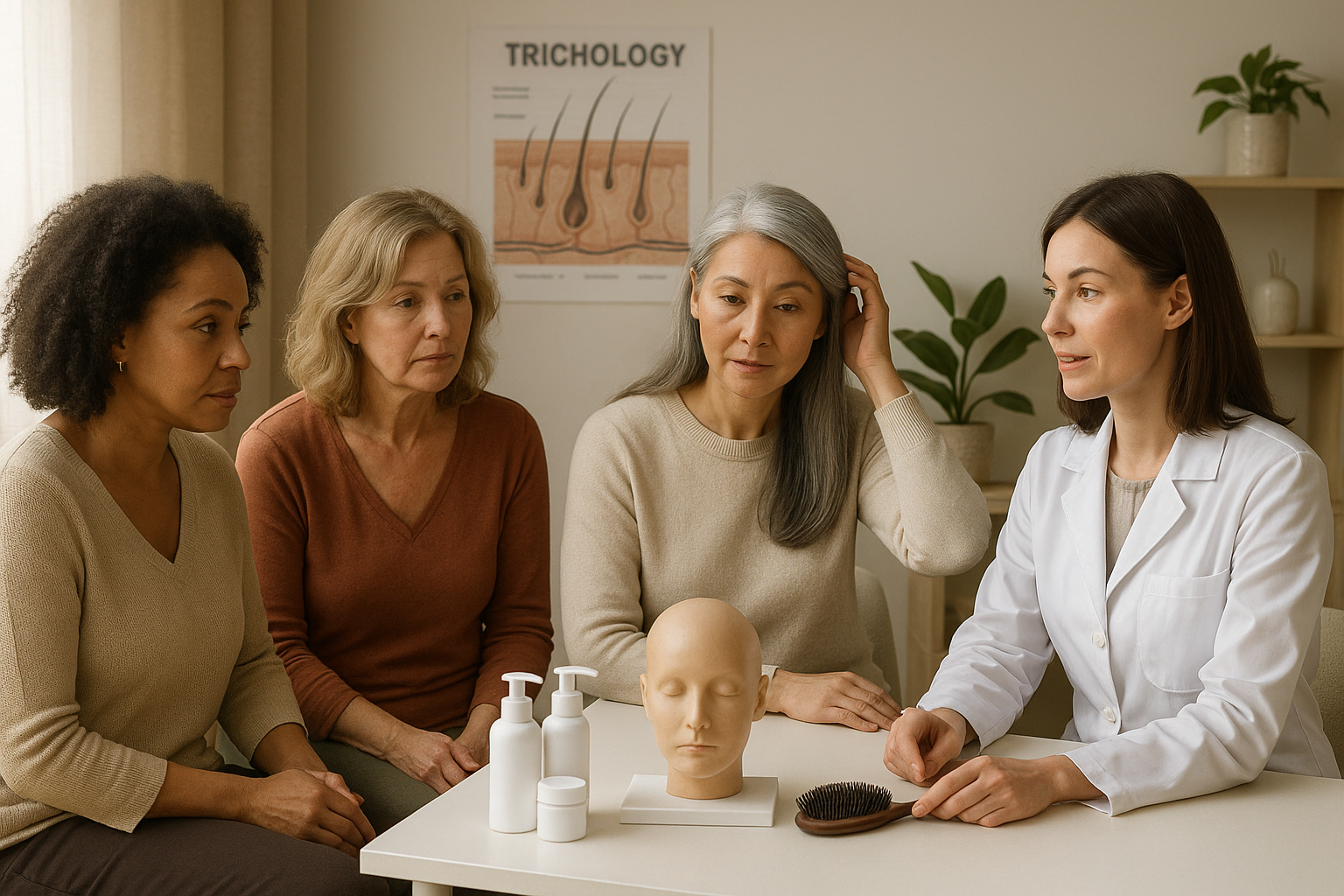
The Relationship Between Menopause and Hair Loss.
Menopause is a natural stage in a woman’s life that marks the end of her reproductive years, typically occurring between the ages of 45 and 55. During this period, the body undergoes profound hormonal changes, most notably a decline in estrogen and progesterone levels. Since these hormones play important roles in maintaining hair growth cycles, their reduction can contribute to noticeable hair thinning and loss.
Hair loss during menopause is often diffuse, meaning it occurs across the scalp rather than in specific bald patches. This hair loss pattern is commonly referred to as female pattern hair loss (FPHL), which differs from male pattern baldness but may share some underlying mechanisms related to androgen sensitivity.
Key Factors Influencing Menopausal Hair Loss
- Declining estrogen and progesterone reduce the hair growth phase (anagen) duration.
- Relative increase in androgen activity can shrink hair follicles and slow growth.
- Genetic predisposition may influence hair loss severity and pattern.
- Other factors such as stress, nutritional deficiencies, and thyroid imbalances may exacerbate hair shedding during menopause.
It’s important to note that menopausal hair loss progresses gradually and is part of the normal aging process for many women. However, it can be distressing, impacting self-esteem and quality of life.
Managing Menopausal Hair Loss: Evidence-Based Approaches
While no treatment can completely reverse menopausal hair loss, a combination of lifestyle adjustments, medical interventions, and professional guidance can help manage symptoms effectively.
Practical Steps to Support Hair Health During Menopause
- Maintain a balanced diet rich in vitamins, minerals, and protein - nutrients essential for hair growth.
- Ensure adequate iron and vitamin D levels through diet or supplementation if deficient.
- Manage stress through relaxation techniques such as mindfulness or yoga, as stress can exacerbate hair shedding.
- Avoid harsh hair treatments and styling practices that can damage hair shafts and follicles.
- Consider gentle scalp massages to improve blood circulation and scalp health.
From a clinical perspective, topical treatments like minoxidil can be effective in stimulating hair growth and slowing hair loss. Hormone replacement therapy (HRT) may also be discussed with a healthcare provider to balance systemic hormone levels, but it is not specifically recommended for hair loss due to associated risks and benefits that must be evaluated case by case.
It is essential to work with a qualified trichologist or healthcare professional to obtain an accurate diagnosis and personalized treatment plan. They can also screen for other possible causes of hair loss such as thyroid disease or alopecia areata.
When to Seek Professional Advice
If hair loss is sudden, patchy, or accompanied by other symptoms such as scalp irritation or excessive shedding, it is important to consult a trichologist or dermatologist promptly. Early intervention can help identify treatable conditions and improve outcomes.
Remember, hair thinning during menopause is common and manageable. With informed care and support, many women maintain healthy, beautiful hair through this life stage.
Take the next step for your hair
Whether you need personal guidance or want to deepen your professional skills, Lorraine offers consultations and training grounded in real clinical experience.
Not sure where to start?
Interested in training?
Explore video courses, structured training programs, or discuss bespoke workshops for your team.
Explore training options